
Superior Auto Detail · Aurora, CO
Paint Correction in Aurora, CO
Paint correction in Aurora, CO uses careful machine polishing to reduce selected swirls and haze and reveal more depth in the finish.
Paint correction improves the appearance of selected defects through measured polishing. Superior Auto Detail examines the finish first, then explains which marks can be reduced and which may need another repair. The goal is a cleaner, more even reflection without promising that every scratch can disappear.
A paint inspection and polishing plan for visible swirls, haze, and light surface defects.
What is paint correction?
Paint correction uses machine polishing to reduce selected surface defects, such as light swirls or haze, in a vehicle’s clear coat. Results depend on paint condition, prior repairs, and the defect itself. An inspection helps define a realistic scope before polishing begins.
Identify the defect before polishing
Paint can look cloudy for more than one reason. Wash marks, bonded contamination, old product residue, and deeper scratches each call for a different response. Lighting and viewing angle also change what you can see. A careful inspection helps the shop identify what sits on the surface and what is within the paint.
Tell the installer which marks bother you most and when you notice them. A swirl pattern visible in direct sun may disappear in shade. Photos can help start the conversation, but the vehicle needs an in-person look before the shop confirms the level of correction.
Choose the right correction level
More polishing is not always better. The correction plan should match the defects you want to improve and the condition of the paint. A light refinement may suit a vehicle with minor haze. More visible defects may need additional steps, which take more time and require a closer assessment.
The estimate should explain the goal in plain terms. Ask which defects the shop expects to reduce and which ones may remain. Some marks are too deep or close to an edge for safe polishing. A clear scope helps you choose between appearance improvement and a separate paint repair.
Preparation keeps polishing focused
The vehicle needs a clean surface before polishing. Washing and decontamination remove material that could interfere with the polishing process. Once the finish is clean, the installer can examine the paint under suitable light and compare a test area before continuing across the vehicle.
A test area helps show how the paint responds to the selected process. The installer can use that result to adjust the plan and set expectations. This careful start matters because paint condition varies by panel, even on the same vehicle.
Know what correction can change
Polishing can improve selected surface defects and make reflections appear clearer. It cannot repair missing paint, deep gouges, rust, or damage that reaches beyond the surface. Those conditions need a different repair path. The shop should identify them before the vehicle enters a correction appointment.
Correction also does not protect the finish from future wear. If you want easier washing or a surface layer after polishing, ask whether ceramic coating or another finish product fits your plans. Those services are separate choices and should appear clearly in the estimate.
Inspect the result in useful light
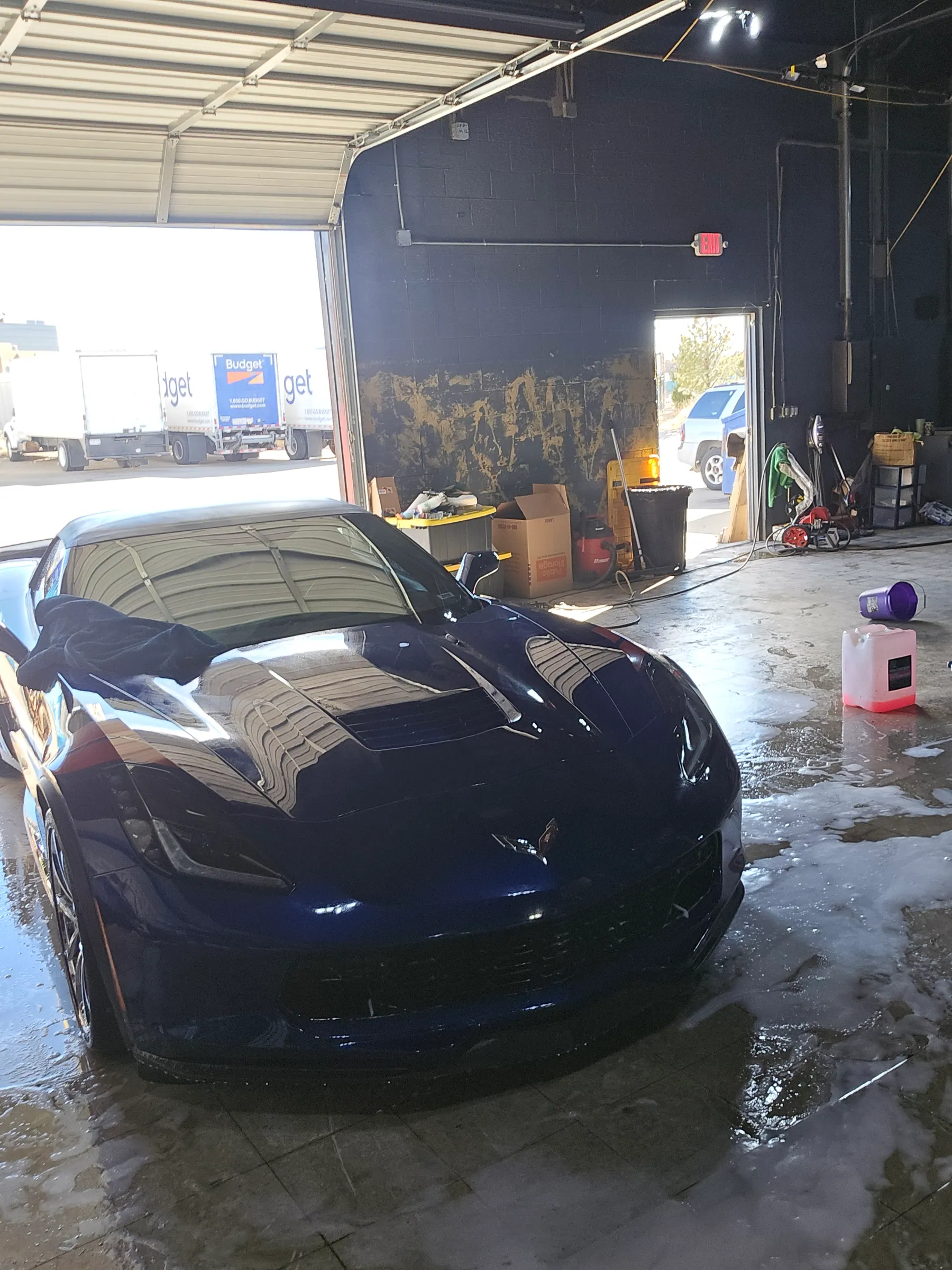
After polishing, the installer checks the treated panels under clear lighting. The review should include the areas discussed before work began. Look from more than one angle, since a defect can appear differently as the light moves across the finish.
If you notice a concern, point to the panel and explain what you see. The shop can compare it with the agreed goal and explain whether the mark remains, changed, or needs a different repair. Direct communication helps close the appointment with a shared understanding.
Share the vehicle details for a quote
Paint correction estimates depend on the vehicle, the number of panels, and the condition of the finish. Include the year, make, and model in your request. Photos in bright, indirect light can help the shop identify visible marks before arranging an inspection.
Superior Auto Detail serves Aurora, Denver, Parker, Centennial, and Cherry Hills Village. Use the quote form to describe the result you want, such as reducing wash swirls or improving gloss before coating. The shop can then explain what the paint may need.
Questions about paint correction
Can paint correction remove every scratch?
No. Some scratches are too deep for polishing. The shop should inspect the paint and explain what can be reduced.
Does correction include a coating?
Not by default. Paint correction and coating are separate services. Ask the shop to list each step in your estimate.
Can you inspect photos before I book?
Photos can help start the conversation. The shop may need to inspect the vehicle in person before confirming the work.
Why does my paint look hazy?
Haze can come from several causes, including wash marks, residue, or surface defects. An inspection helps identify the source.
Explore another service
Ceramic Coating
Paint preparation and ceramic protection, planned around your vehicle and its current finish.
Explore service
Window Tinting
Automotive window film options with shade and product choices explained before installation.
Explore service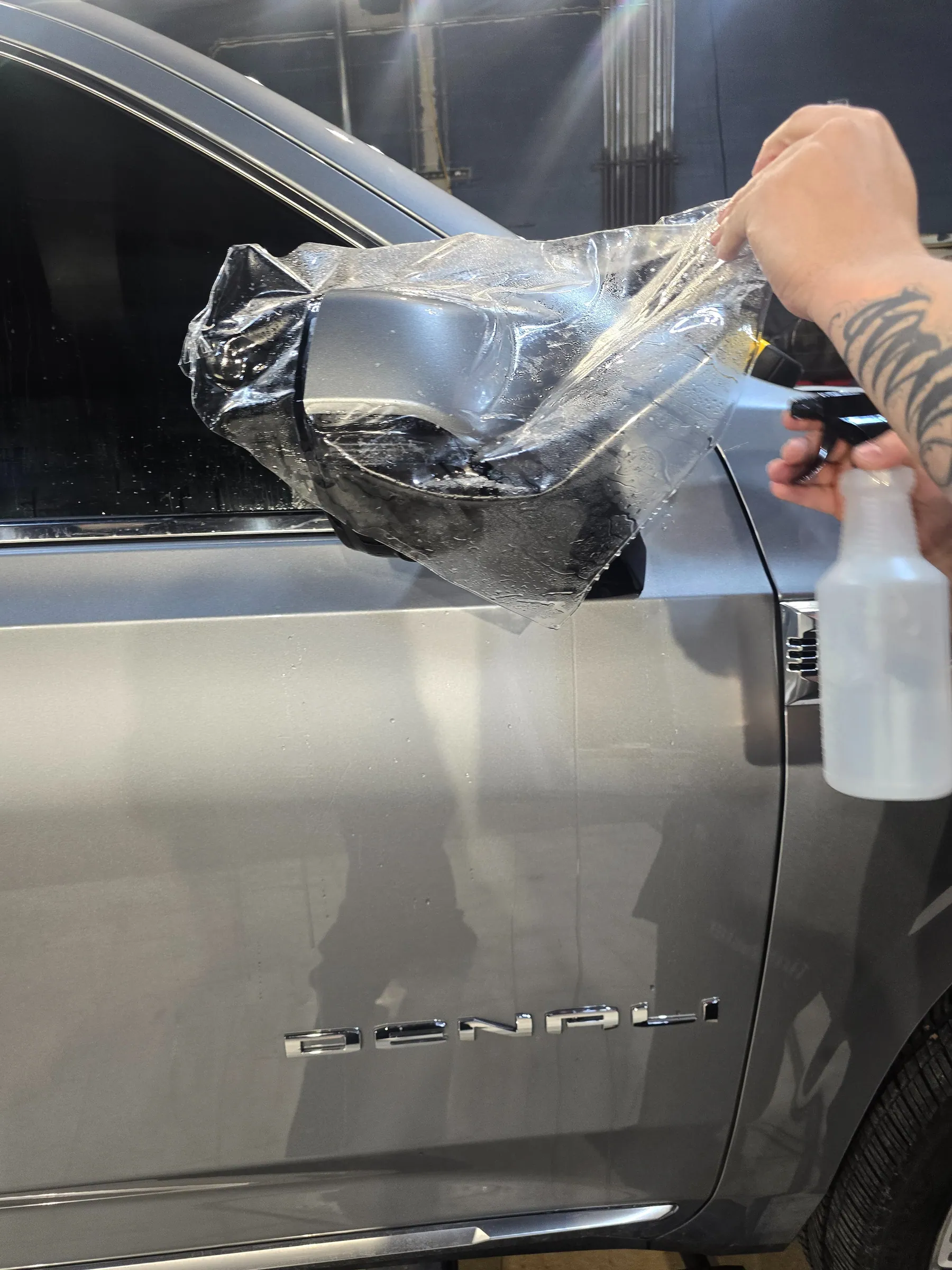
Paint Protection Film
Clear film coverage planned around exposed panels, vehicle use, and the finish you want to preserve.
Explore service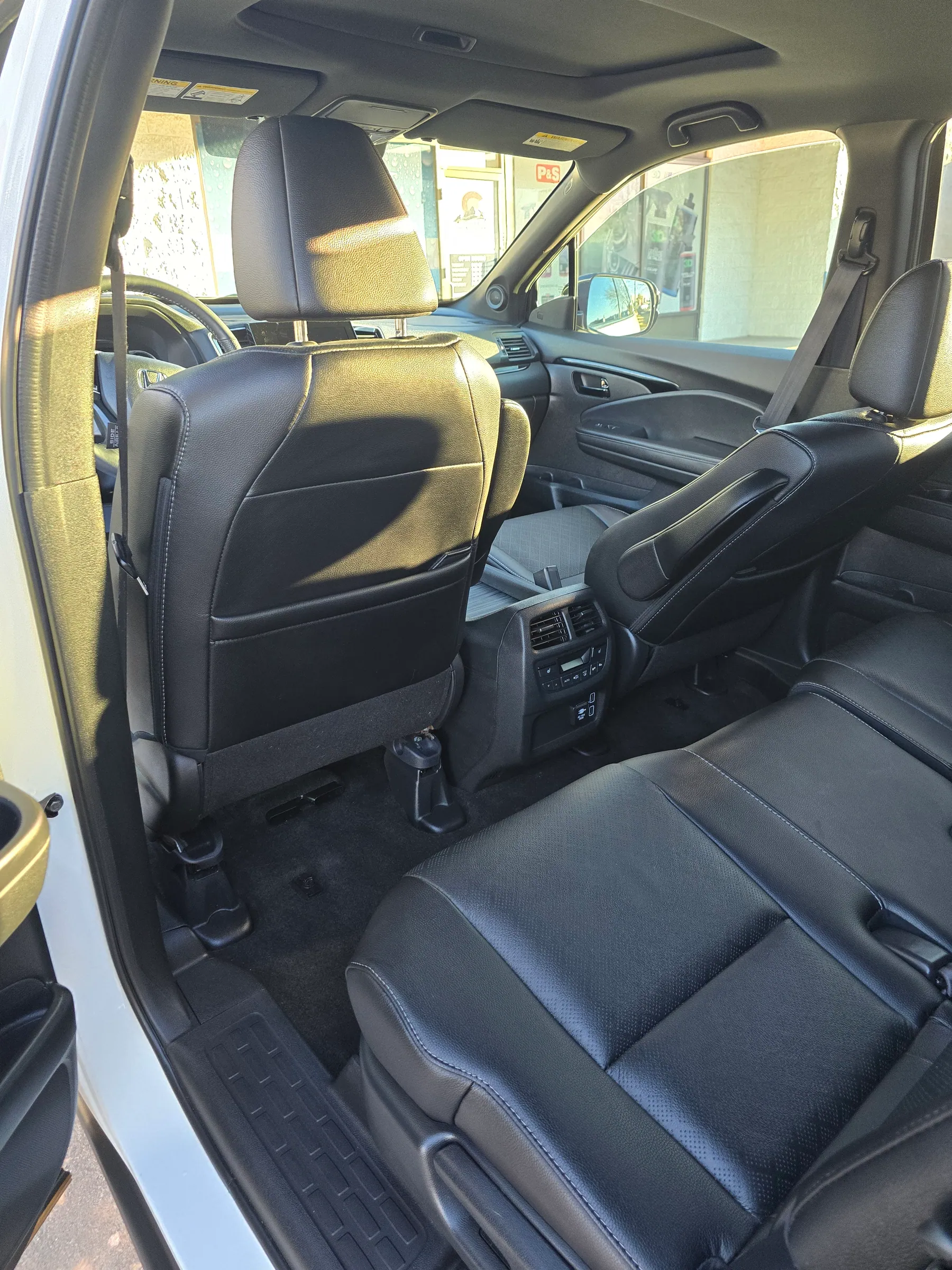
Interior Detailing
A focused cabin clean for seats, carpets, panels, glass, and daily-use touchpoints.
Explore serviceClay Bar & Wax
Paint decontamination followed by a wax finish, with the service matched to the condition of the vehicle.
Explore serviceGoogle reviews
From a Superior Auto Detail customer.
4.9 from 85 Google reviews. Read them on Google
I just bought a car with horrible paint swirling (in the color black) I dropped it off and 12 hours later I came to pick up my car and it was like a completely different car. A beautiful mirror finish to my car!
Your vehicle. Your next move.
Ask about paint correction
Share the vehicle, its condition, and the result you want. The team can help you choose a service before you book.